
Thyseed
Thyseed Anti-Colic Glass Baby Bottle for Breastfed Infants, Natural Feeding,
$23.991,000+ bought last month
View on Amazon
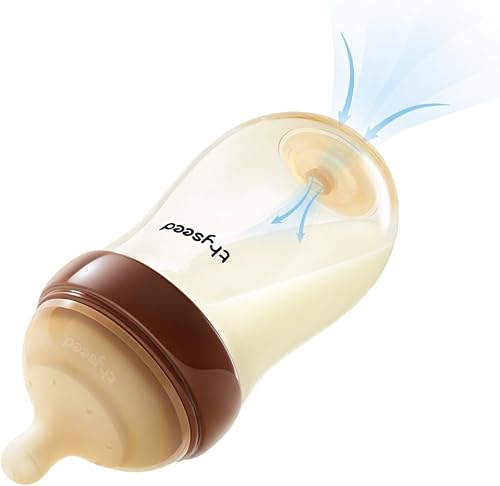
The Thyseed PPSU Anti-Colic Baby Bottle delivers a well-regarded combination of PPSU material, breast-like slow-flow nipple, and 240 ml capacity at $25.59. With a 4.4-star rating from 457 reviews and around 300 units purchased last month, it has built meaningful credibility as a premium bottle for babies from 3 months onward.
Check price on AmazonBest for parents of babies 3 months and older who want a PPSU bottle that supports the breast-to-bottle transition with a slow-flow, breast-like nipple and solid anti-colic performance.
Parents who prefer glass construction for maximum material transparency, or who need a bottle rated from birth rather than 3 months, should consider alternative options.
4.4 average across 457 owner ratings
457 owner reviews, fewer than most models here
The overall score is owner satisfaction weighted by how many reviews back it, so a high rating from few reviews counts for less. The bars below show where this model stands against the other baby gear and nursery essentials we track in this category on price, popularity and size. Context, not marks against it, and our read of the data, not a lab test.
The Thyseed PPSU Anti-Colic Baby Bottle is built around a material choice that sets it apart from standard BPA-free plastic bottles. PPSU (polyphenylsulfone) is a premium food-grade plastic that is free from BPA, BPS, phthalates, and similar compounds, and is notable for its durability and ability to withstand repeated high-temperature sterilization without degrading. Many parents who want the convenience of plastic but prefer a higher-grade material than standard polypropylene choose PPSU for this reason.
The breast-like slow-flow nipple is designed for babies from 3 months onward, which places this bottle in the stage after the earliest newborn period. Slow flow at this age is still a common recommendation to prevent overfeeding and reduce gas. The anti-colic venting system works alongside the nipple to minimize the air ingested during a feed. The 240 ml (roughly 8 oz) capacity suits the growing intake of a baby in the 3-plus-month range.
At $25.59 for a single bottle, Thyseed is priced as a premium option. The 4.4-star average from 457 reviews is a meaningful signal, and the approximately 300 monthly purchases show the bottle is actively being chosen by informed parents. The 0.28-pound weight reflects the relatively lightweight nature of PPSU compared to glass.
| Age Range | 3+ Months |
|---|---|
| Weight | 0.28 Pounds |
| Capacity | 240 Milliliters |
| Pack Count | 1.0 Count |
Based on the specifications and owner reviews, the PPSU body of the Thyseed bottle is a significant practical advantage over standard polypropylene, as it tolerates autoclave-level sterilization and remains clear without yellowing over time. The slow-flow nipple is reported by reviewers to pace the feed well for 3-month-plus babies, and the breast-like shape is credited with making the bottle acceptable to babies who nurse. Anti-colic performance is consistently mentioned positively by owners, with fewer gas complaints noted compared to standard bottles. The bottle assembles with a manageable number of parts.
The Thyseed bottle has gathered 457 ratings at a 4.4-star average, with approximately 300 monthly purchases sustaining steady demand. Reviewers in the positive tier consistently highlight the PPSU material, the quality of the nipple feel, and how well the bottle manages air during feeding. A smaller portion of reviews reflect individual baby preferences or adjustment periods when transitioning from another bottle, which is common in this category and not specific to any flaw in the Thyseed design.
PPSU (polyphenylsulfone) is a higher-grade polymer than standard polypropylene (PP) used in most BPA-free baby bottles. It can withstand higher sterilization temperatures without clouding or warping, is free from a broader range of plastic additives, and tends to maintain clarity and structural integrity over more sterilization cycles. It is considered a premium step up in material quality within the plastic bottle category.
The listed age range for this bottle starts at 3 months. The slow-flow nipple may technically be usable for younger babies, but the product is not positioned or tested for newborn use by the manufacturer. For babies under 3 months, choosing a bottle specifically rated from birth is the safer approach.
Reach the BabyCareShop team at [email protected] and we are glad to help.


